How is Biochar Made? An Overview of Biochar Production

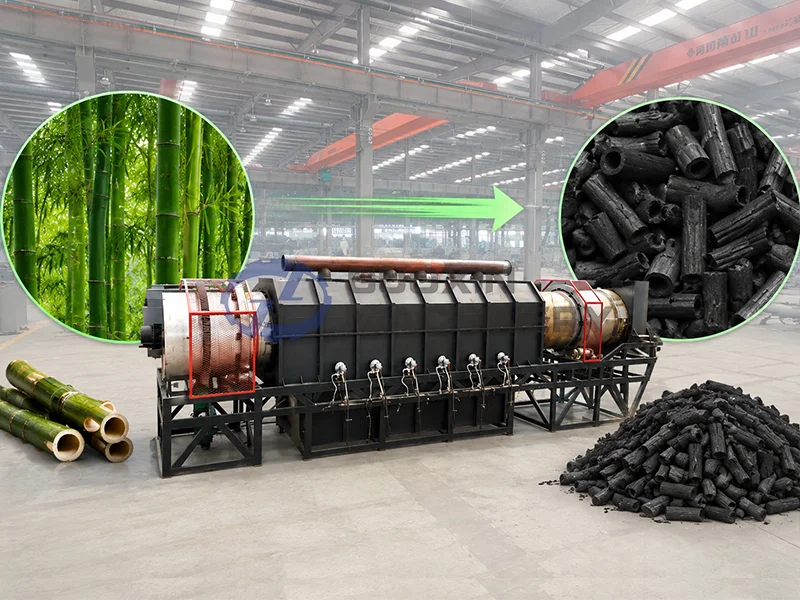
Biochar is a stable carbon material produced from biomass through a high-temperature process under low-oxygen conditions. It is widely used in agriculture, soil improvement, and sustainable waste management. Materials such as sawdust, bamboo, rice husks, coconut shells, and agricultural waste can all be converted into biochar.
Biomass Materials Used in Biochar Production
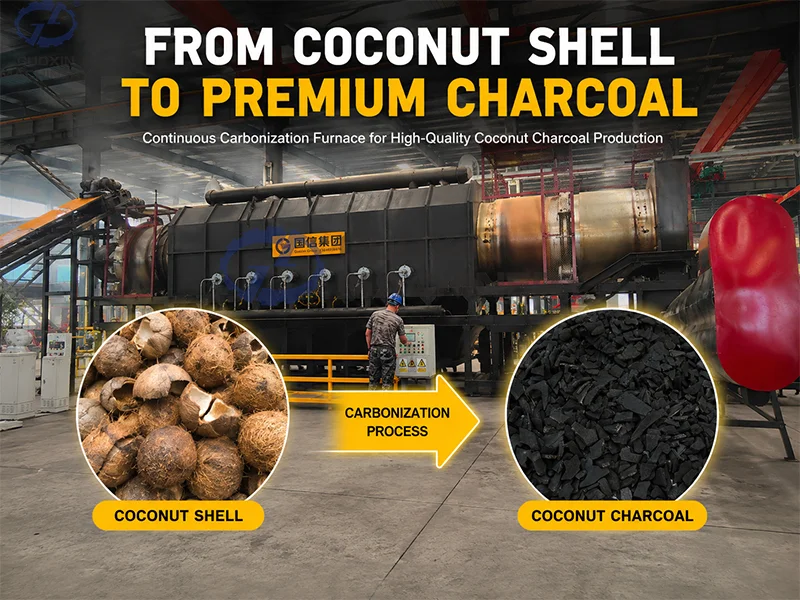
The quality of biochar depends largely on the type of raw material used. Common biomass sources include forestry waste, crop residues, nutshells, bamboo waste, and garden waste.

Common Biochar Production Methods
Biochar can be produced using different carbonization methods depending on the production scale and application requirements.
For small-scale production, traditional carbonization methods can be used. Biomass is heated in a low-oxygen environment using a simple kiln or container. This method requires less investment but has lower yields and requires more manual labor.

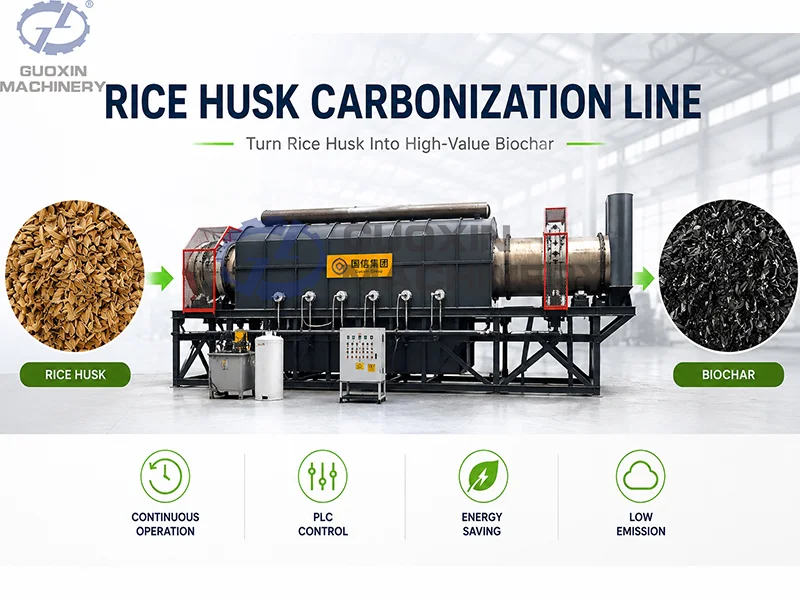
Commercial production typically uses continuous biochar production machines. This equipment controls the temperature, heating time, and oxygen supply during pyrolysis. Biomass is gradually converted into biochar, while simultaneously producing combustible gases that can be recycled as an energy source. Industrial Biochar Production Process
In modern biochar production lines, biomass raw materials are first pretreated and then fed into a carbonization furnace. Under controlled high temperatures, the organic matter releases moisture and volatile compounds, ultimately forming stable carbon.
Biochar Storage and Application
After production, biochar should be stored in a dry place, avoiding excessive moisture and direct sunlight. Proper storage helps maintain its adsorption capacity and performance.
Biochar is mainly used as a soil conditioner. Its porous structure helps improve soil conditions, enhance water retention, and increase nutrient availability. Simultaneously, converting agricultural and forestry waste into biochar is an effective way to recycle biomass resources.